
Short answer: A practical roof replacement cost in Wisconsin often falls around $14,000-$32,000 for many straightforward asphalt-shingle replacements on normal one- or two-story homes. Smaller, simpler roofs, detached garages, or limited roof sections can be lower. Larger homes, steep pitches, old layers, bad decking, valleys, chimneys, skylights, lake-home access, storm documentation, metal roofing, or attic/ice-dam correction can push the budget higher.
This article uses public and high-authority sources, including JLC/Zonda cost benchmarks, Wisconsin DSPS/UDC, Wisconsin SPS 321.28 and SPS 321.02, DOE Building America, ENERGY STAR, National Weather Service, Wisconsin DATCP, Wisconsin OCI, and local permit examples from Madison, Milwaukee, and Green Bay. It is a planning guide, not a quote, legal opinion, insurance opinion, or permit determination.
Wisconsin roof costs by roof type and scope
Use these ranges as planning numbers, not fixed bids. They are intentionally a little conservative without turning into a worst-case quote machine. The point is to help a homeowner understand whether they are looking at a small repair, a simple asphalt reroof, a typical full tear-off, a complex roof, metal roofing, or a roof-plus-attic project.
| Roof scope | 2026 Wisconsin planning range | Usually includes | Often pushes cost higher |
|---|---|---|---|
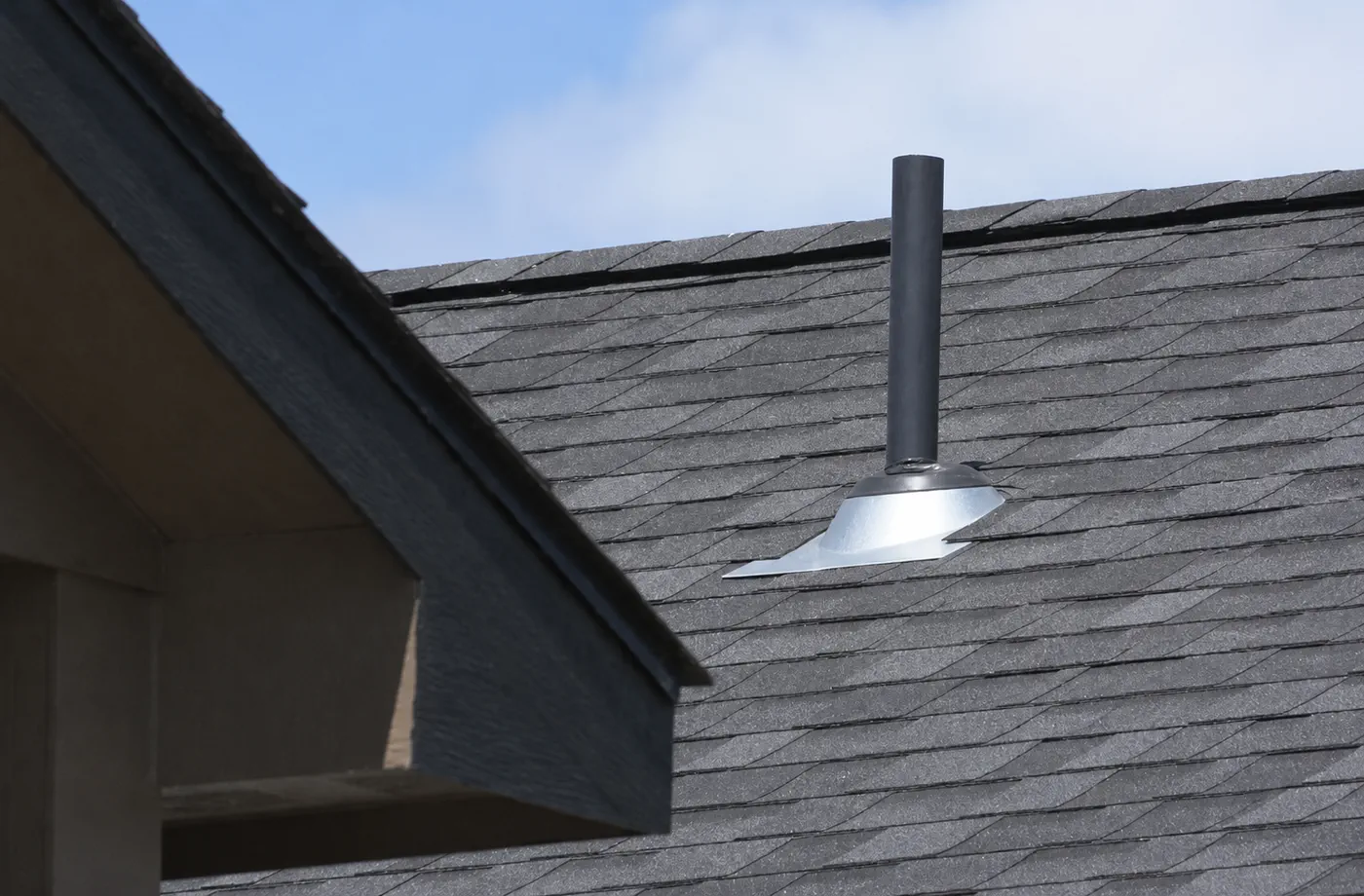
| Small roof repair or limited section | $750-$5,500+ | Localized shingle repair, pipe boot, small flashing repair, minor leak work | Steep access, chimney work, emergency dry-in, hidden rot, winter conditions |
| Detached garage or small simple cabin asphalt roof | $6,500-$15,000 | Basic asphalt roof, tear-off or allowed recover, underlayment, cleanup | Remote access, bad decking, old layers, steep pitch, ice-dam detailing |
| Simple asphalt shingle replacement | $10,000-$22,000 | Straightforward one-story roof, normal tear-off, architectural shingles, underlayment, disposal | Deck repair, ventilation correction, valleys, chimney flashing, local permit scope |
| Typical Wisconsin asphalt roof replacement | $14,000-$32,000 | Tear-off, architectural shingles, underlayment, flashing details, code-level ice-dam protection where required, cleanup | Larger roof, steeper pitch, multiple layers, attic clues, storm documentation |
| Large or complex asphalt roof | $26,000-$55,000+ | Larger roof area, multiple roof planes, valleys, dormers, garage/porch sections, more flashing | Skylights, chimneys, rotten decking, poor ventilation, ice-dam repairs, high work |
| Small garage/cabin metal roof | $10,000-$28,000+ | Simpler metal roof on a detached structure, garage, shed, or small cabin section | Tear-off, remote delivery, custom trim, snow retention, exposed-fastener vs standing-seam choice |
| Residential standing-seam metal roof | $34,000-$80,000+ | Standing-seam panels, trims, closures, underlayment, specialized installation | Complex geometry, high-temp underlayment, snow guards, custom flashing, skylights, remote site |
| Low-slope or flat roof section | $6,000-$24,000+ per section | Membrane roof section, deck prep, edge metal, drainage details | Wet substrate, tapered insulation, parapets, scuppers, structural repairs |
| Roof replacement plus ice-dam/attic corrections | Base roof cost + $2,500-$20,000+ | Targeted air sealing, insulation, bath/kitchen fan correction, intake/exhaust ventilation work | Cathedral ceilings, kneewalls, inaccessible attic, mold/rot, old wiring |
A quote below these ranges is not automatically wrong. It may be a smaller roof, a limited repair, a simple detached structure, or a very clean asphalt reroof. The problem is when a low number quietly leaves out tear-off assumptions, deck repair pricing, flashing, ventilation, permit verification, cleanup, or hidden-condition procedures.
Why your number may be lower or higher
| Situation | Why it may price lower or higher |
|---|---|
| Simple suburban asphalt reroof | Lower if the roof is one story, easy to access, simple gable shape, one layer, sound decking, few penetrations, no attic correction, and no complex flashing. |
| Typical full Wisconsin tear-off | Often lands around the middle of the planning range because it includes tear-off, disposal, architectural shingles, underlayment, flashing details, ice-dam protection where required, and cleanup. |
| Northwoods/lake-home or roof-plus-attic correction | Higher when there is wooded or private-road access, long valleys, skylights, chimney/wood-stove penetrations, ice-dam history, intermittent heat, remote-owner documentation, or separate attic/ventilation work. |
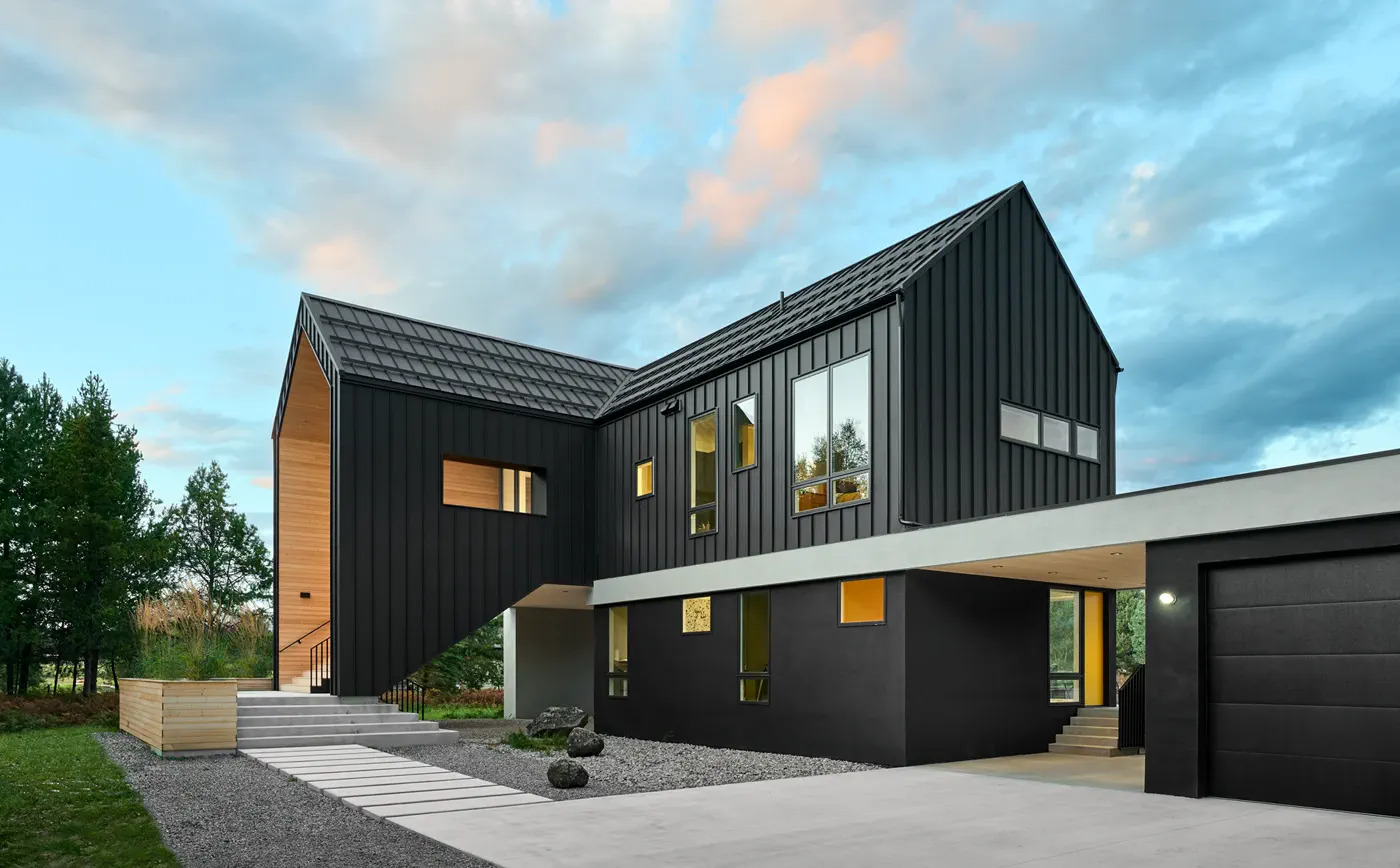
Why National Roof Calculators Often Look Low in Wisconsin
National roof calculators are useful for early research, but they often look low once a real Wisconsin scope is written. Many calculators assume a basic roof shape, average access, standard asphalt shingles, limited tear-off complexity, no rotten decking, no chimney or skylight detailing, no attic review, and no lake-home logistics. That can be fine for a simple roof. It is less useful for an older Wisconsin home with valleys, old layers, ice-dam history, blocked soffits, or storm damage.
JLC's East North Central benchmark is more useful than a generic national average because it is regional, but it is still a modeled benchmark. A real Wisconsin bid has to price the actual roof.
| Pricing reference | What it is good for | What it can miss |
|---|---|---|
| National roof calculator | Quick ballpark, early research, simple roof comparison | Wisconsin snow/ice details, old layers, flashing, ventilation, lake-home access, permit path |
| JLC East North Central benchmark | Regional reality check for asphalt and metal replacement | Your exact squares, pitch, deck condition, chimneys, skylights, access, and attic clues |
| Contractor site visit / scoped bid | Actual measured roof, actual layers, actual flashing, actual access, actual local permit assumptions | Still needs clear exclusions and change-order rules |
If a national calculator shows a much lower number than a Wisconsin estimate, ask what the calculator did not include before assuming the contractor is inflating the project. The answer is often decking, flashing, tear-off layers, ice-dam protection, ventilation, access, cleanup, or hidden-condition risk.
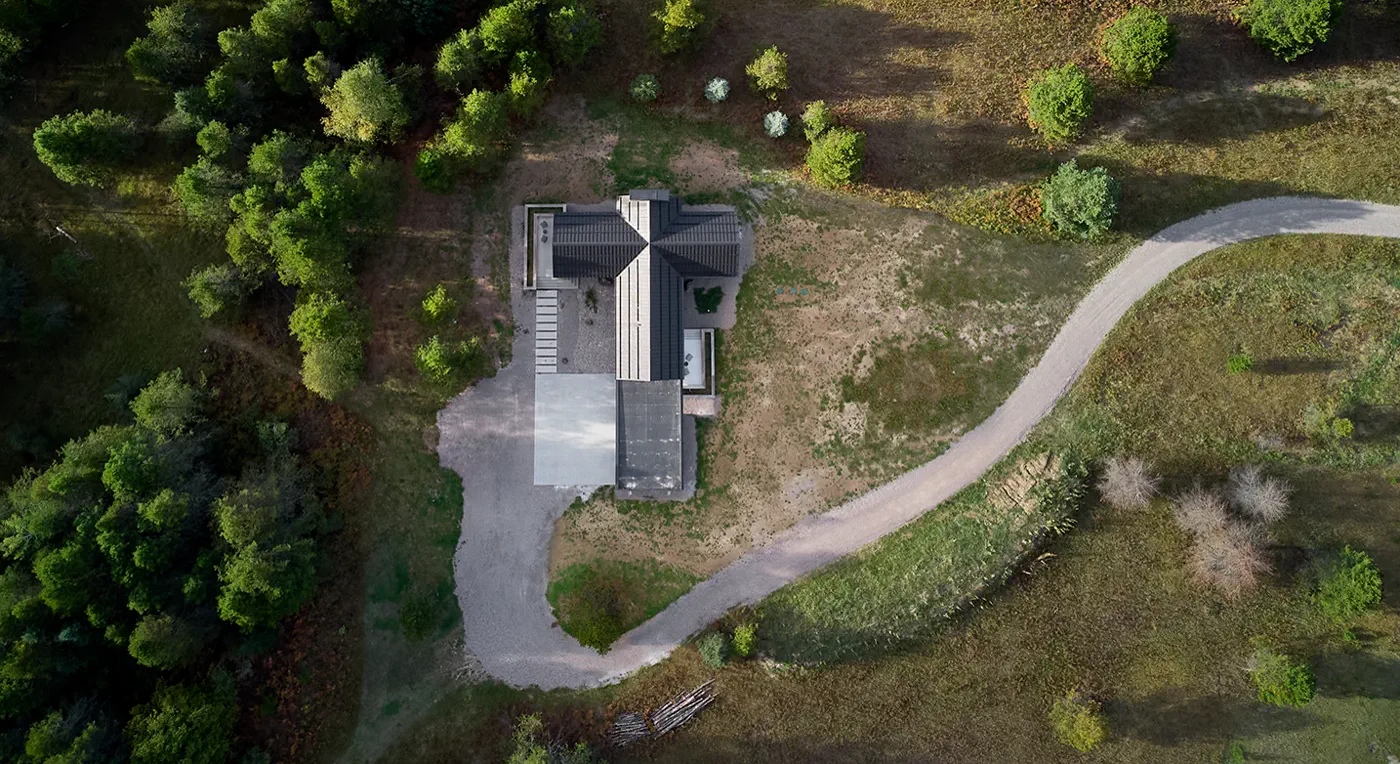
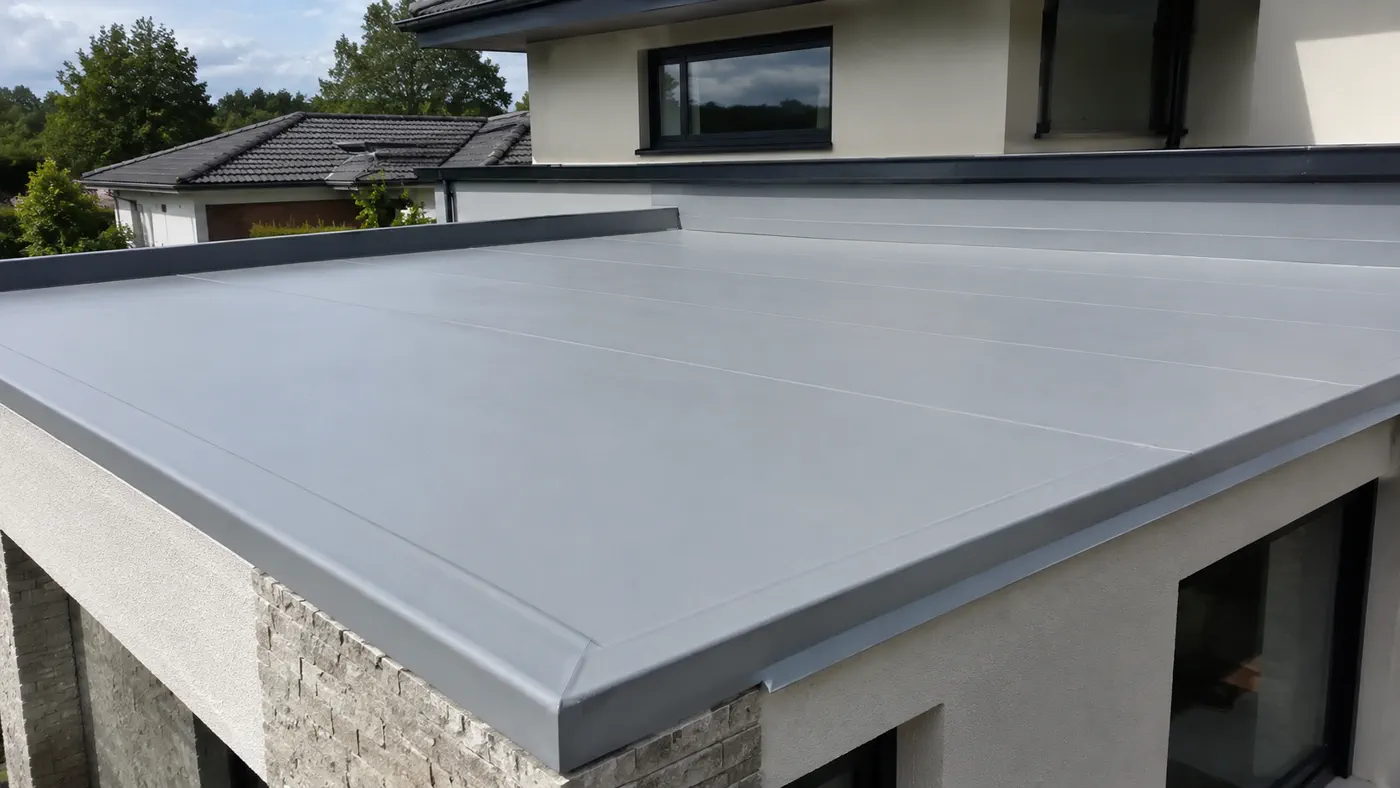
Asphalt, standing-seam metal, and low-slope roof sections
Most Wisconsin residential roofs are asphalt shingle roofs. Asphalt is familiar, widely available, generally repairable, and usually less expensive than standing-seam metal. But every asphalt quote should still specify the shingle line, starter shingles, underlayment, ice-dam membrane location, valley method, drip edge, pipe boots, roof vents, chimney flashing, skylight flashing, ridge vent, intake ventilation strategy, deck replacement allowance, tear-off, disposal, cleanup, and nail pickup.
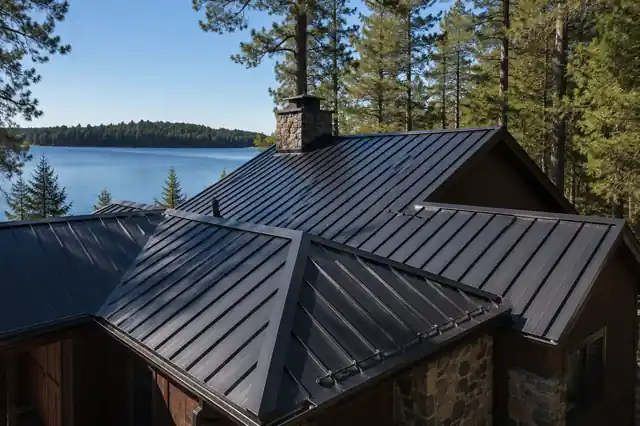
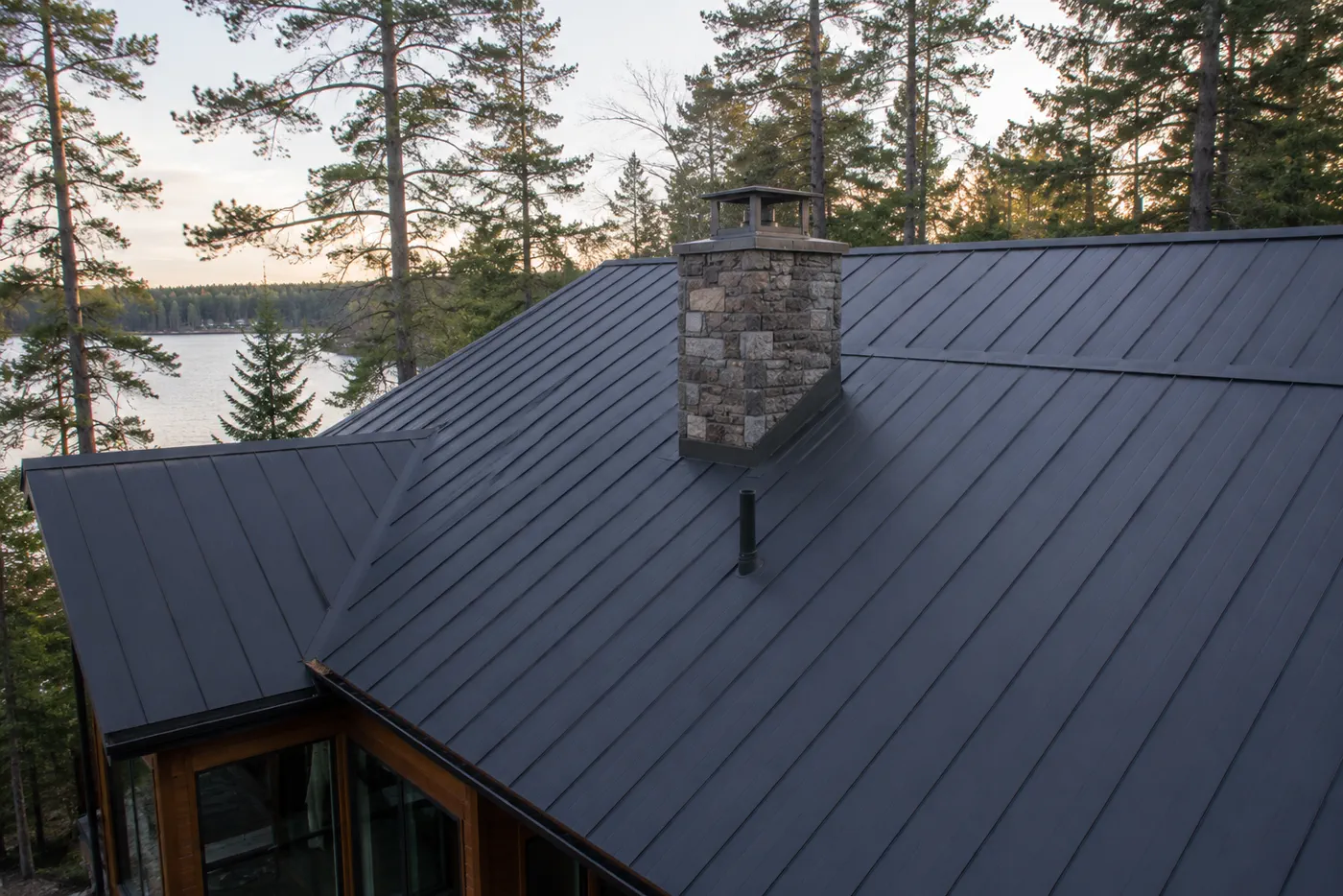
Metal roofing is a different decision. It can be attractive for cabins, lake homes, longer-term planning, snow shedding, and specific architectural goals. But metal is not automatically better for every Wisconsin roof. It costs more, needs more specialized detailing, and may require snow retention above entries, decks, walkways, lower roofs, and garage doors.
Do not lump all metal into one category. A small exposed-fastener metal roof on a detached garage or outbuilding is not the same as a full residential standing-seam roof. Exposed-fastener systems may cost less upfront but have visible fasteners and different maintenance expectations. Standing seam is usually more expensive because of panels, clips, trims, closures, edge details, valley work, and specialized installation.
| Roofing path | Good fit | Watch closely |
|---|---|---|
| Architectural asphalt shingles | Most Wisconsin homes, straightforward replacements, budget-conscious full reroofs | Underlayment, flashing, ice-dam membrane, deck repairs, ventilation |
| Premium asphalt / upgraded shingle system | Homeowners wanting better appearance or wind/performance features without metal cost | Do not pay for upgraded shingles while ignoring flashing or attic problems |
| Small exposed-fastener metal roof | Detached garages, sheds, utility structures, some simple cabins | Fastener maintenance, trims, condensation, snow slide, roof-over assumptions |
| Residential standing-seam metal roof | Long-term homeowners, lake homes, cabins, architectural projects | Higher price, snow retention, flashing complexity, low-slope transitions |
| Low-slope membrane section | Porches, additions, dormers, modern low-slope tie-ins | Drainage, edge metal, wet substrate, tapered insulation, scuppers/parapets |
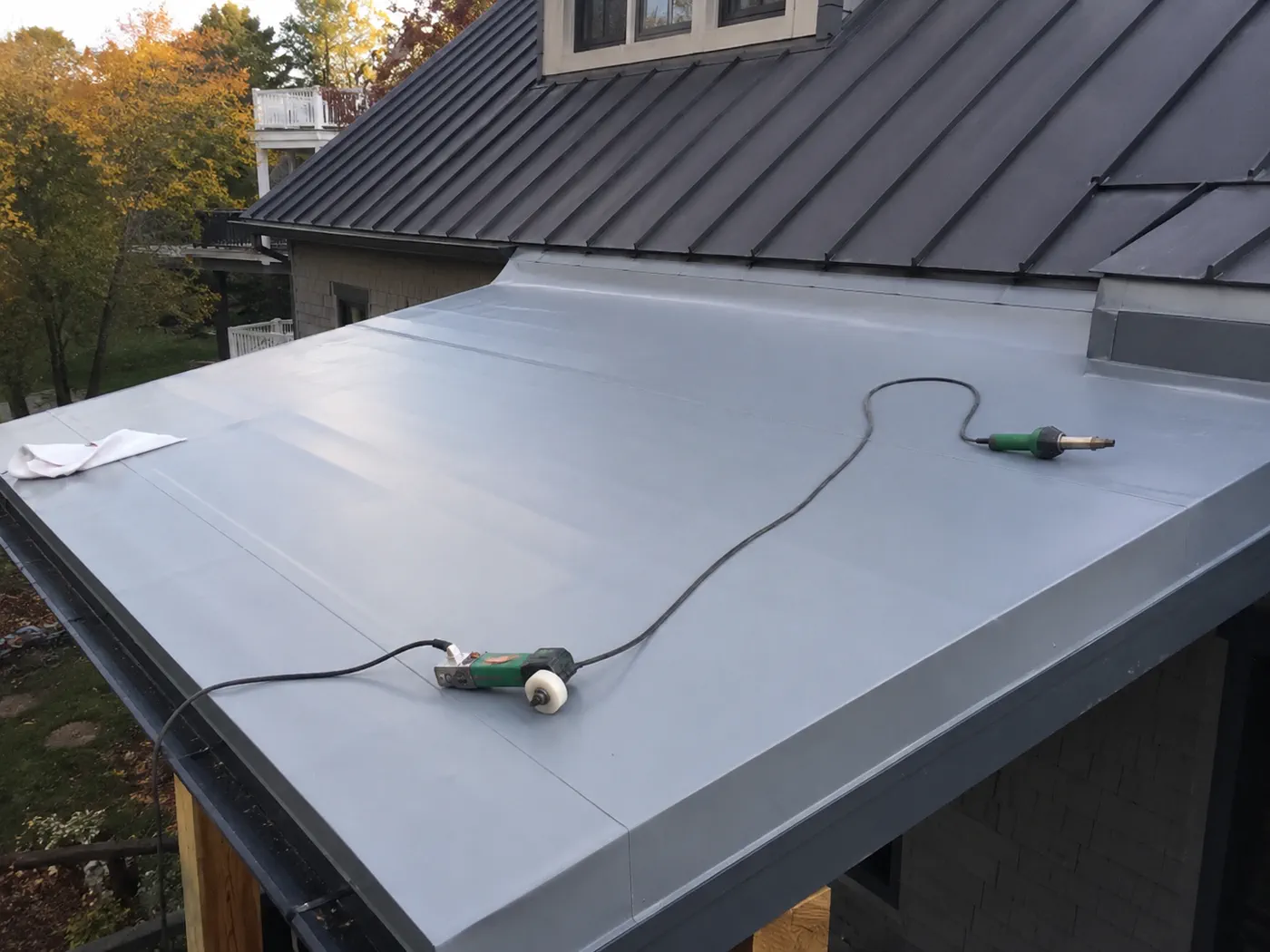
Low-slope sections should be priced as separate roof systems. Standard shingles are designed to shed water on sloped roof surfaces. Low-slope porch roofs, dormer tie-ins, and additions may need membrane roofing, edge metal, drainage planning, and careful transitions into the steep-slope roof.
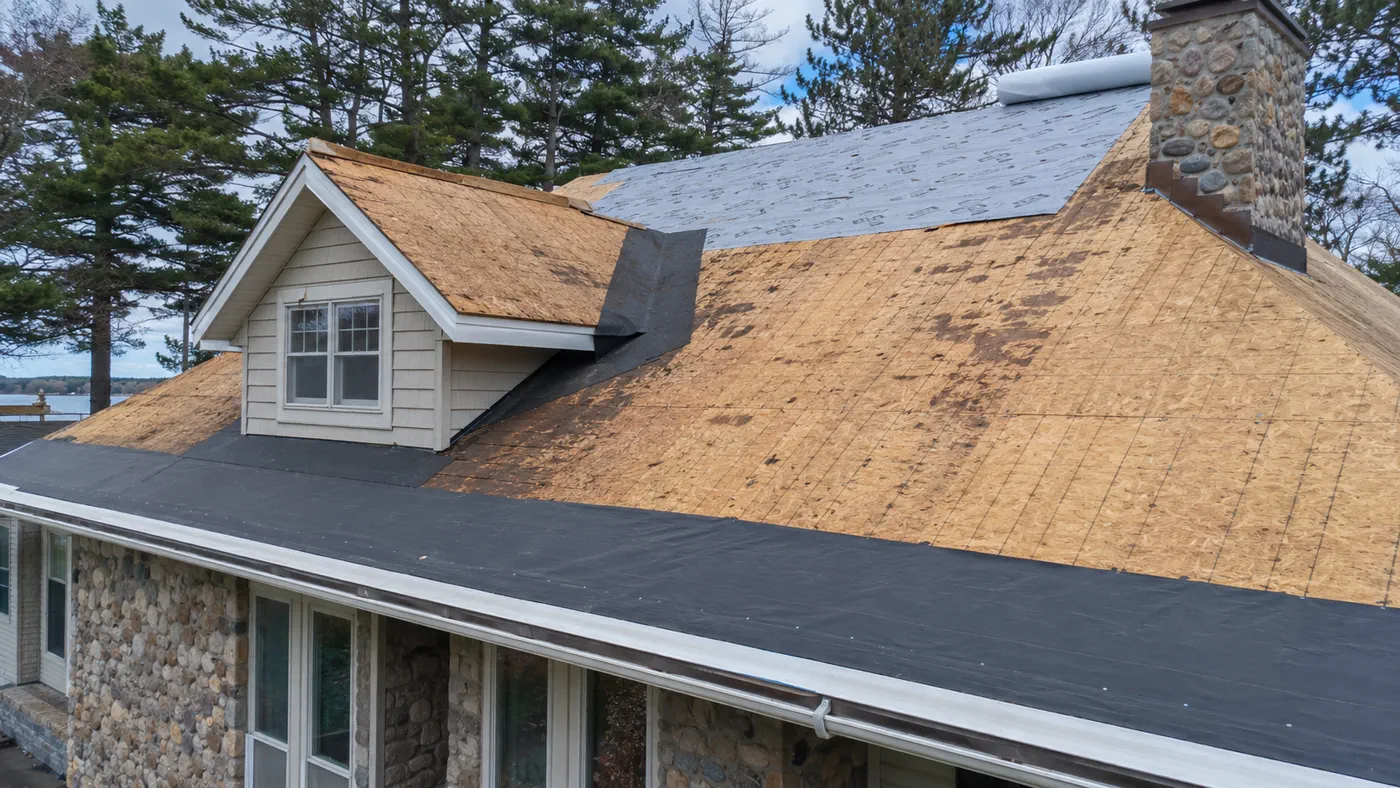
Why ice dams happen and what actually fixes them
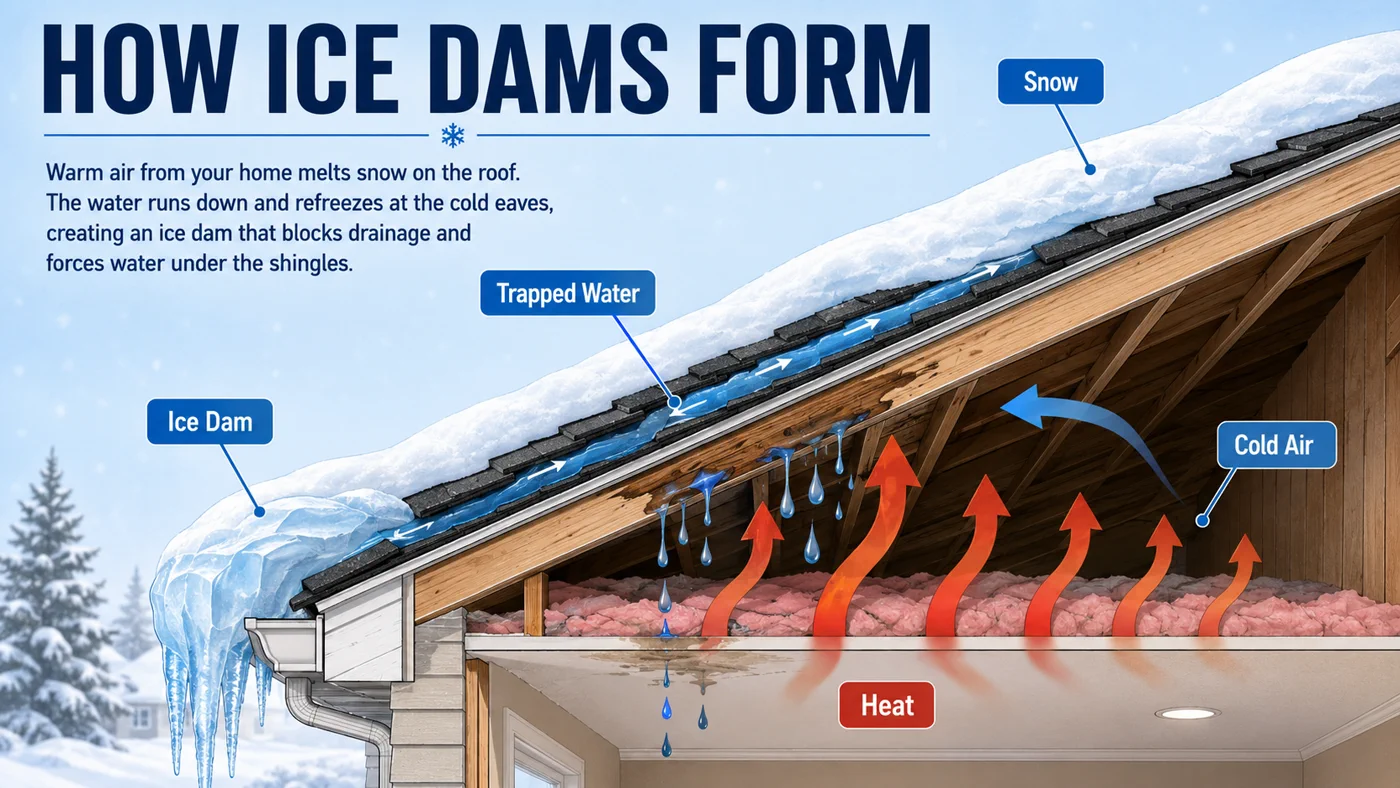
A new roof does not automatically solve ice dams. It can improve water protection at the roof surface, but repeated ice dams are often caused by heat and air movement below the roof.
DOE's Building America Solution Center explains that ice dams require snow on the roof, freezing outdoor temperatures, and a poorly air-sealed or poorly insulated attic. Warm indoor air escapes into the attic, warms the roof deck, melts snow higher on the roof, and that water refreezes at colder eaves. Building America identifies three main prevention strategies: air seal the ceiling plane, insulate the attic thoroughly, and ventilate the roof. DOE Building America Solution Center
Ice-and-water membrane matters, especially at eaves, valleys, and vulnerable transitions. But it is backup protection. It does not stop warm indoor air from reaching the roof deck.
Repeated ice dams may point to attic air leaks, insufficient insulation, blocked soffit vents, poor ridge or roof exhaust, missing baffles, bathroom or kitchen fans discharging into the attic, warm ductwork in unconditioned space, cathedral ceilings with limited airflow, kneewalls, bonus rooms, or roof geometry that collects snow at valleys and low sections.
Wisconsin SPS 321.28 also includes ice-dam protection requirements for certain shingled or shake roofs over heated areas with a slope of 4:12 or less. The code requires protection extending at least 30 inches up the roof slope from the roof edge and at least 12 inches beyond the inner face of the exterior wall. Always verify current code and local enforcement for the specific project. Wisconsin SPS 321.28
Ventilation, flashing, skylights, and what cheap quotes miss
Roof ventilation is not just a roof accessory. It is part of the attic system. Ridge vent without enough soffit intake is not a balanced system. Exhaust without intake does not perform like a complete airflow path. Insulation stuffed into the eaves can block soffit vents and make the roof deck warmer than it should be.
ENERGY STAR notes that attic air sealing can stop major air leaks and, when combined with attic insulation, help reduce dangerous winter ice dams. ENERGY STAR also flags kitchen, bathroom, or clothes dryer vents exhausting into the attic instead of outdoors as a condition that should be corrected by a professional before proceeding. ENERGY STAR Attic Air Sealing
For Wisconsin homes with ice dams, heavy attic frost, damp insulation, winter leaks, or recurring eave ice, the roof review should include soffit intake, ridge or roof exhaust, attic baffles, blocked eaves, insulation depth, attic hatch leakage, recessed lights, plumbing penetrations, chimney chases, kneewalls, bath fan ducting, kitchen fan ducting, and signs of condensation or mold.
Bath fans and kitchen fans must vent outdoors, not into the attic. That is moisture control, not a cosmetic detail. A roof replacement is often the right time to notice bad fan ducting, but the fix may involve roofing, insulation, HVAC, or remodeling trades depending on the home.
Flashing is just as important. Wisconsin code requires flashing at chimneys, valleys, and roof openings. The quote should say whether step flashing, counterflashing, valley details, pipe boots, skylight flashing, chimney crickets, drip edge, and wall intersections are replaced, reused, excluded, or allowance-based.
What cheap roof quotes often miss
| Missing item | Why it matters | Risk created later |
|---|---|---|
| Deck-replacement pricing | Rotten or delaminated sheathing is discovered after tear-off | Surprise change orders or covered-up defects |
| Full tear-off scope | Old layers can hide deck defects and add weight | New roof over bad substrate |
| Ice-dam membrane details | "Included" may not say where or how much | Weak backup protection at vulnerable eaves/valleys |
| Flashing replacement | Reused flashing can leak before new shingles wear out | Leaks at walls, chimneys, valleys, skylights |
| Chimney and skylight scope | Common leak sources | Future leaks that disturb the new roof |
| Intake ventilation check | Ridge vent alone is not a balanced system | Warm attic, frost, shingle/ice-dam problems |
| Bath/kitchen fan termination | Moist air in attic can cause condensation and ice problems | Wet insulation, mold risk, deck damage |
| Low-slope section scope | Membrane details differ from shingles | Ponding, edge leaks, premature failure |
| Permit verification | Local rules vary | Delay, rework, inspection problems |
| Cleanup and nail pickup | Property protection affects safety and experience | Nails, debris, landscaping damage |
| Written change-order process | Hidden conditions happen | Disputes and surprise billing |
Storm damage, insurance caution, and documentation
Wisconsin roofs are often replaced after wind, hail, branches, or storm events. Storm work should be documented carefully, but homeowners should be cautious about insurance promises.
Coverage depends on policy terms, deductible, covered cause of loss, exclusions, and whether the policy pays replacement cost or actual cash value. Wisconsin OCI explains that replacement cost is the amount needed to repair or replace damages with materials of similar kind and quality, while actual cash value generally subtracts depreciation. Homeowners should speak with their insurer or agent for policy-specific interpretation. Wisconsin OCI Homeowner's Insurance FAQ
After a storm, do not climb on a wet, icy, steep, or damaged roof. From the ground and from inside the home, document what you can:
- missing, lifted, or creased shingles
- shingles in the yard
- damaged gutters, vents, pipe boots, or soft metals
- tree or branch impact
- new water stains
- attic leaks or wet insulation, if safely visible
- storm date and approximate time
- emergency temporary repairs and receipts
- photos before cleanup, if safe
A contractor can document observed damage and provide repair scope. A contractor should not promise claim approval, waive your deductible, or act like a public adjuster.
Roof permits, code basics, and local variation in Wisconsin
There is no safe statewide sentence that says every Wisconsin roof replacement always needs a permit or never needs a permit. Wisconsin has a statewide Uniform Dwelling Code framework for one- and two-family dwellings. Wisconsin DSPS explains that the UDC is the statewide building code for one- and two-family dwellings built since June 1, 1980, and that it is enforced in all Wisconsin municipalities. Wisconsin DSPS Uniform Dwelling Code
For broader remodeling permit planning, use the Wisconsin and Michigan permit planning guide as a companion resource, then verify the roof-specific path locally.
Permit administration and local thresholds vary. Verify with the city, village, town, county, or inspection office before work starts.
| Jurisdiction example | What the public guidance says | Practical takeaway |
|---|---|---|
| Madison | Online permit examples include replacing roofing or gutters for 1- and 2-family homes where plan review is not required. City of Madison | Roofing can fall into a repair/replace permit path depending on scope. |
| Milwaukee | The permit checklist marks roof tear-off shingles and roof replace shingles as "Maybe," while a new roof with new rafters is "Yes." City of Milwaukee | Call or verify before assuming. Structural work changes the question. |
| Green Bay | Residential roofing without structural changes is listed as "No," while roofing with structural changes is "Yes." City of Green Bay | Non-structural reroofing may be treated differently than structural roof work. |
SPS 321.28 matters for scope even when the local permit path is simple. It includes roof weather-protection rules, roof-over restrictions, flashing requirements, and ice-dam protection requirements for certain roof conditions. Wisconsin SPS 321.28
Wisconsin also has design-load context. SPS 321.02 says roofs must be designed and constructed to support the minimum snow loads listed on the state zone map, with snow loads assumed to act vertically over the roof area projected on a horizontal plane. That does not mean a homeowner should calculate roof safety from an article. It means heavy snow, drifting snow, sliding snow from upper roofs onto lower roofs, sagging, cracking sounds, or structural warning signs should be treated as inspection issues, not cosmetic roofing issues. Wisconsin SPS 321.02
Lake homes, cabins, Northwoods access, and remote-owner planning
Cabin and lake-home roof replacement in Northern Wisconsin is often a different project from a straightforward suburban reroof. These properties may have older additions, porch roofs, low-slope tie-ins, moss and tree debris, long valleys, chimneys, wood stoves, skylights, limited driveway access, private roads, steep lake lots, intermittent winter heat, and owners who are not on site.
The broader lake house and cabin remodeling guide is the right next read when roof work connects to winter use, moisture, access, and remote-owner planning.
The National Weather Service explains that lake-effect snow is common across the Great Lakes region and can produce narrow bands with snowfall rates of 2 to 3 inches per hour or more. Wind direction can make conditions vary dramatically over short distances. National Weather Service
For statewide planning, this matters differently by region. Northwoods and Northern Wisconsin roofs may deal with longer snow season, wooded lots, remote access, and intermittent heat. Green Bay, Lake Michigan, and Door County homes may face wind exposure, lake-effect events, and seasonal-use conditions. Madison and Milwaukee homes may have tight access, older roof layers, alleys, historic constraints, or storm-damage documentation needs.
For cabins around Minocqua, Eagle River, Rhinelander, Ashland, Superior, Door County, and other Wisconsin lake communities, the estimate should include more than material and labor. It should include communication.
| Remote-owner documentation item | Why it matters |
|---|---|
| Photos before work starts | Confirms condition, access, staging, and obvious damage |
| Photos after tear-off | Shows decking, old layers, rot, and hidden conditions |
| Photos of underlayment and ice-dam membrane | Documents water-control layers before shingles cover them |
| Photos of flashing at chimneys, walls, valleys, and skylights | Shows key leak-risk areas before final covering |
| Photos of ventilation concerns | Helps owners understand attic/system problems |
| Written change orders with photos | Prevents surprise charges for rotten decking or structural issues |
| Final roof photos and product information | Supports future maintenance, resale, and future roof conversations |
| Weather and access notes | Important for private roads, seasonal roads, and winter projects |
The biggest cabin-roof mistake is treating the job like a surface project when the real conditions involve heat, moisture, access, snow, and owner distance.
Compare bids, prepare for an estimate, and decide whether to replace before selling
A good roof quote should read like a scope of work, not a one-line number. Before comparing price, compare what each contractor is actually pricing.
| Quote item | Why it matters | Ask this |
|---|---|---|
| Roof squares | Drives material, labor, waste, and time | How many measured squares are included? |
| Pitch and access | Drives safety and labor | How is steep/high work priced? |
| Tear-off or roof-over | Determines whether decking is inspected | Are all layers removed? |
| Existing layers | Affects code, disposal, and labor | How many layers are assumed? |
| Deck replacement | Hidden rot is common | What is the unit price for bad sheathing? |
| Underlayment | Secondary water-control layer | What type is used and where? |
| Ice-dam membrane | Critical at vulnerable areas | Where does it go and how far up? |
| Flashing | Many leaks happen at transitions | What flashing is replaced, reused, or excluded? |
| Chimneys/skylights | Common leak sources | Included, excluded, or allowance-based? |
| Ventilation | Affects ice dams and shingle performance | Is intake and exhaust evaluated? |
| Gutters/fascia/soffit | Eave water management | Included or coordinated separately? |
| Permits | Local rules vary | Who verifies and pulls required permits? |
| Storm documentation | Important for claim-related work | What photos and scope notes are provided? |
| Exclusions | Often the most important part | What is not included? |
What to send before requesting an estimate
Send this before the first estimate call or site visit:
- property address and best access instructions
- ground-level photos of all roof sides
- close photos of leaks, stains, missing shingles, gutters, and flashing if safe
- approximate age of the roof
- number of known layers, if known
- whether there are skylights, chimneys, solar panels, or low-slope sections
- attic photos if safe and accessible
- known ice-dam history
- storm date and insurance claim status, if relevant
- whether the property is a primary home, cabin, lake home, rental, or second home
- whether you are local or need remote-owner documentation
Use the Wisconsin roof replacement cost calculator, the MW Construction services page, and the project gallery as planning context before requesting a scoped visit.
A better estimate starts with better information. The goal is not to turn the homeowner into a roofer. The goal is to help the contractor separate a straightforward reroof from a roof-and-attic problem, a storm documentation project, or a hidden-decking project.
Should you replace a roof before selling a Wisconsin home?
A worn roof can slow a sale even when the rest of the home shows well. Buyers, inspectors, lenders, and insurers often treat roof uncertainty as risk because leaks, old layers, curling shingles, damaged flashing, or poor documentation can become negotiation problems.
A full replacement may help when the roof is near the end of its useful life, has active leaks, has storm damage, has multiple layers, has obvious inspection concerns, or may create insurance questions for a buyer. Clean documentation of tear-off, materials, flashing work, permit status where applicable, and final photos can reduce uncertainty.
A full replacement is not always the right pre-sale move. Sometimes documentation matters more than replacement. If the roof is newer, the problem is localized, or the market will not reward a major upgrade, a targeted repair, flashing correction, inspection report, or maintenance documentation may be more practical. JLC's East North Central benchmark lists asphalt roofing replacement at 69.2% cost recouped and metal roofing at 45.9% cost recouped, which is useful context but not a guarantee for any specific Wisconsin sale. JLC 2025 Cost vs. Value
Before replacing a roof purely for resale, ask a local real estate professional, insurer, and contractor what problem the roof is creating: buyer confidence, inspection risk, insurance age threshold, active leakage, or visible curb-appeal concern. Then choose the scope that solves that problem.
Final CTA: ask for a scoped roof review, not just a number
A serious roof replacement cost Wisconsin estimate should do more than multiply roof squares by a material price. It should explain what is being removed, what is being installed, how water is controlled, how ice-dam risk is handled, how ventilation is evaluated, how flashing is rebuilt, how hidden decking is priced, and how the project will be documented.
For a straightforward asphalt roof, that may mean a clean tear-off and replacement. For a Northwoods cabin, lake home, older Madison bungalow, Green Bay storm-damage roof, or Milwaukee home with old layers and attic issues, it may mean roofing plus attic, flashing, ventilation, gutter, or structural investigation.
Ready for a useful roof estimate? Gather the address, ground photos, leak history, number of layers if known, attic photos if safe, storm date if relevant, and whether the property is a primary home, cabin, or lake home. Then request a scoped roof review that separates the visible roof covering from the hidden conditions that decide how long the new roof will actually last.
Roof estimate prep
Send the details that make roof pricing less fuzzy
A roof estimate gets cleaner when the first message includes access, roof shape, damage history, ice-dam history, attic clues, and whether this is a primary home, cabin, or lake home.Every roof side, valleys, chimney, gutters, skylights, low-slope sections, roof edges, and the driveway or staging area.
Approximate roof age, known layers, leak locations, ice dams, storm dates, insurance claim status, and previous repairs.
Photos of staining, frost, damp insulation, blocked soffits, bath or kitchen fan routes, and any safe attic access.
Primary home, cabin, lake home, rental, remote owner, private road, winter access, and the timing you need.
Frequently Asked Questions
How much does roof replacement cost in Wisconsin?
Many straightforward Wisconsin asphalt shingle replacements fall around $14,000-$32,000 in 2026. Smaller or simpler roofs can be lower. Larger, steeper, older, or more complex asphalt roofs can exceed that. Standing-seam metal roofs usually cost more.
Is the JLC Cost vs. Value roof number a quote?
No. It is a regional benchmark. The 2025 East North Central benchmark lists asphalt roofing replacement at $29,253 and metal roofing at $47,473, but your roof depends on size, pitch, layers, access, material, decking, flashing, ventilation, and ice-dam history.
Why do national roof calculators look lower than Wisconsin bids?
Many calculators assume simple roof geometry, average access, standard tear-off, and limited hidden repairs. A real Wisconsin bid may include flashing, deck repair, ice-dam details, ventilation work, permit checks, lake-home access, and attic corrections.
Will a new roof stop ice dams?
Not by itself. A new roof can improve water protection, but repeated ice dams are often caused by attic air leaks, poor insulation, blocked ventilation, or warm roof decks. Roofing and attic work may both be needed.
Is metal roofing better for Wisconsin snow?
Sometimes, but not automatically. Metal can shed snow well on the right roof, but it costs more and may require snow retention above entries, decks, lower roofs, and walkways. It does not fix attic heat loss.
Do I need a permit for roof replacement in Wisconsin?
It depends on the municipality and scope. Wisconsin has a statewide UDC framework, but Madison, Milwaukee, Green Bay, and other municipalities handle roof permits differently. Always verify locally before work begins.
Is a roof-over allowed in Wisconsin?
Sometimes, but Wisconsin code restricts new roof coverings over water-soaked or deteriorated roofs, certain existing roof materials, and roofs with two or more permanent roof covering applications. Tear-off is often safer when hidden conditions matter.
What should I do after hail or wind damage?
Document damage from the ground and inside the home if safe, contact your insurer or agent, keep temporary repair receipts, and avoid contractors who promise to cover your deductible or guarantee claim outcomes.
Should I replace a roof before selling a Wisconsin home or cabin?
It depends on roof age, active leaks, buyer expectations, insurance concerns, inspection risk, and documentation. A new roof may reduce uncertainty, but sometimes a repair plus clean documentation is more appropriate.
Sources and Method
Prices are planning ranges, not quotes. They combine published regional benchmarks with local remodeling scope logic. Final pricing depends on site conditions, product selections, trade availability, permits, and hidden conditions found during demolition.
- 2025 Cost vs. Value Report, East North Central region
- Wisconsin DSPS Uniform Dwelling Code
- Wisconsin SPS 321.28: weather protection for roofs
- Wisconsin SPS 321.02: snow and wind design-load context
- DOE Building America Solution Center: ice dam prevention through attic air sealing, insulation, and ventilation
- ENERGY STAR attic air sealing project guidance
- National Weather Service: lake-effect snow safety
- Wisconsin DATCP: after storm damage, stay protected when seeking repairs
- Wisconsin Office of the Commissioner of Insurance homeowner insurance FAQ
- City of Madison online permit guidance
- City of Milwaukee permit checklist
- City of Green Bay: Do I need a permit?